FIA Girls on Track – Rising Stars special series
In 2020, FIA launched FIA Girls on Track – Rising Stars program. This year, the FIA Girls on Track – Rising Stars program continues for a 4th edition. 16 young women, 8 in the Senior Category and 8 in the Junior Category, went through the Training Camp in earlier September in Franciacorta, Italy. Four finalists from each category came out of the Training Camp and will go into the Final at Maranello in November.
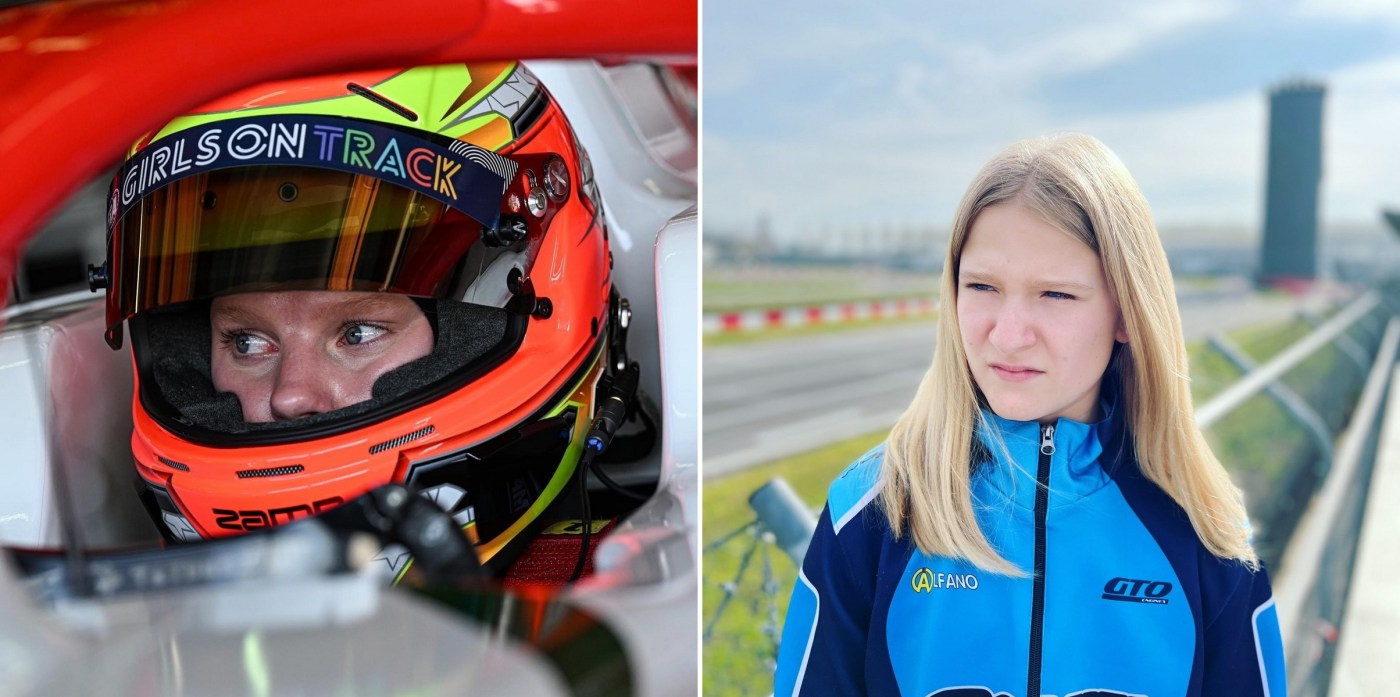
Just like in the prvious three editions, we are rolling out the profiles of drivers participating in the program. Today, we give you Anniken Lindfjord from the Senior Category, and Vanesa Šilkūnaitė, one of the Junior Category finalist.
Anniken Lindfjord

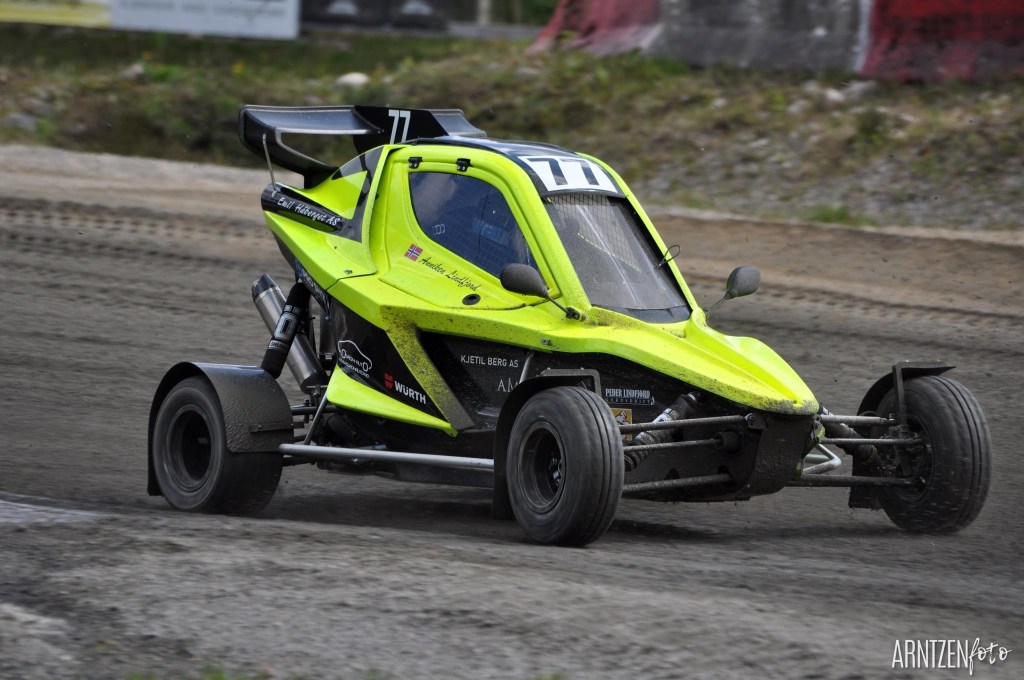
Anniken Lindfjord is 14 years old from Norway. She is in the Senior Category in the 2023 FIA Girls on Track – Rising Stars program. Anniken has been racing crosskart and this season she is racing in the Crosskart Extreme Junior category in the Norgescup.
© All photos provided by Anniken Lindfjord
Paddock Sorority (PS): What was your first exposure to motorsport?
Anniken Lindfjord (AL): I have an older brother that was driving some rally and this type of car race in Norway called the Folkrace (a form of Nordic rallycross). I got very inspired by him. I thought it looks very cool and very fun. So we decided to buy a Mini-cadet go kart. I was eight years old at the time. I drove one year in go-kart, and then I was kind of in it.
PS: Do you still remember your first outing in the go-kart? What was it like?
AL: I don’t remember my first testing in a go-kart. But I remember my first full year in racing. It was a very positive experience and people were very welcoming in the community. The driving experience was really good. I didn’t drive the fastest, but it was fun. I enjoyed myself the first year.
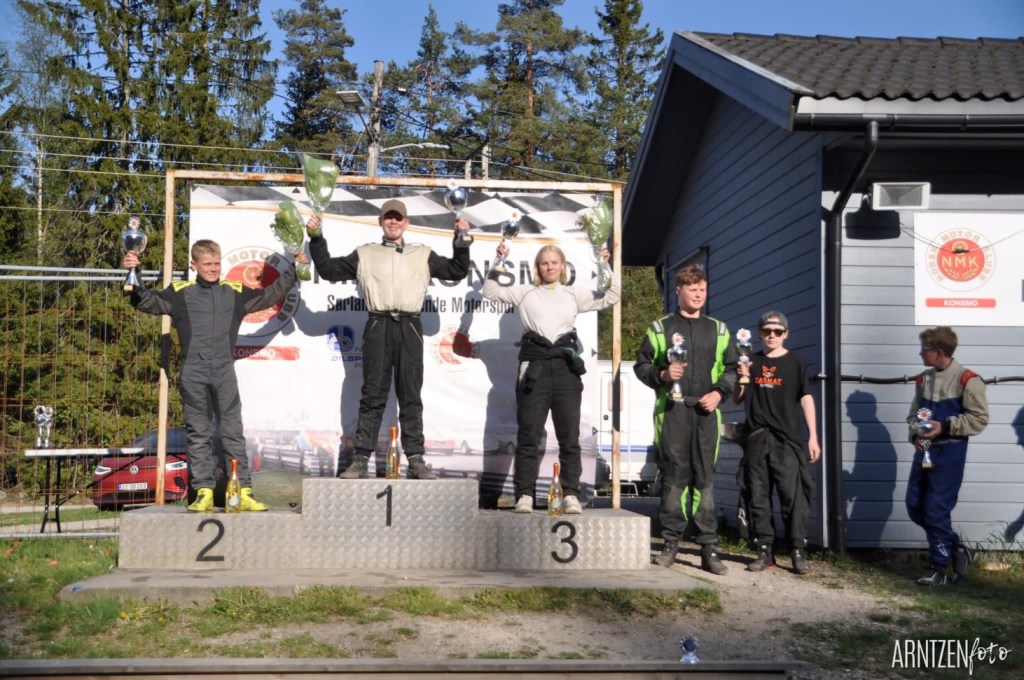
PS: What made you decide you wanted to become a professional driver?
AL: The community and the feeling around the races do have a role to play. Since I was so welcomed by the community, we were such a big club. Everything was made so you enjoy being there. The welcoming community definitely helped me to keep ongoing and keep trying to find something in myself. I think a great community has a big role in me continuing.
PS: Did you first learn from your brother? From whom did you learn the most about racing and driving?
AL: That’s definitely my dad and my brother. I don’t have a team other than my family around me. They have been my coaches and they have taught me the tracks and turns and gearing and clutch. They are my coaches to this day.

PS: Your family is like your team, could you share a bit more on how they support your racing?
AL: When I’m going on a race, my mom and dad is joining me. My dad is like a team manager, a coach, and a mechanic all in one. My mom is very supportive. If I crash in a race or something bad happens, she is always there and always can comfort me and help me. You can fix the kart, and she can fix my feelings. I feel like I have a big team around me because they do so much for me.
PS: Is your brother also like a racing idol for you? Are there others?
AL: I always say my little goal is to be even better than my brother. He’s definitely one of my biggest idols. Also, since I’m from Norwegian, Dennis Hauger is among some of my favorite drivers. There are so many good ones, it’s so hard to choose. If I only can choose one, I choose my brother.
PS: What has been your best memory in your career so far?
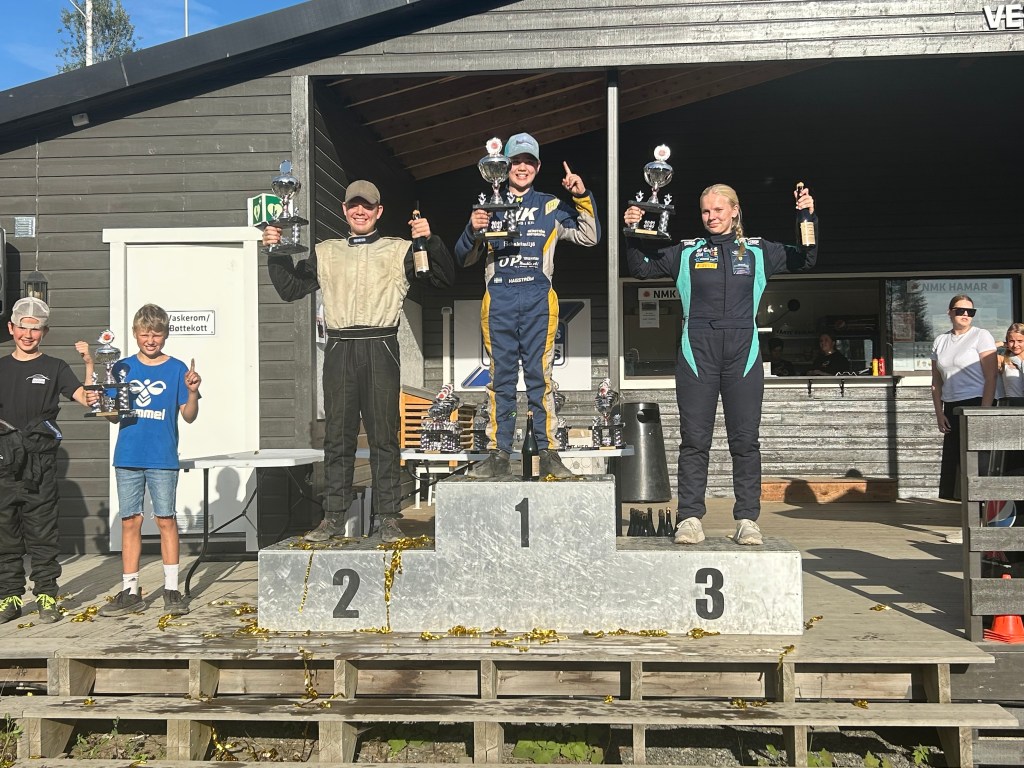
AL: If I only can choose one memory from like the last few years, I would choose the first Norwegian Championship round of this year when I got a third place in my debut in the championship. When we got into the parc ferme, since it was the first race in the class in Norway, everybody was very happy. If I can only choose 5 minutes for my whole career, it would be those 5 minutes in the parc ferme. Everybody just had a really good time, and since I also had a good race, it was even better.
PS: Has there been a very difficult time in your career? How did you get through it?
AL: I think everybody in my class and generally in crosskart is very nice. We talk it out and we can all see past it. We have four qualifications, so we can get past it. Our community is very supportive and we all help each other. If my friend has a bad race in another class, I will go and comfort them and as they analyze the failure. Having a good friend group in the race helps a lot.
PS: What are your strengths and weaknesses as a driver comparing to the others in the selection?
AL: When I first got this selection, I thought we were only going to drive go-kart. Since I’ve only driven go-kart for one year and I don’t really remember all that much, and since I’m more used to gravel than asphalt, I really felt that I had the worst opportunity there. But when we were told we were driving F4, I felt like I had a bigger hope in me, because that’s a bigger machinery. I’m more used to clutch and gearing than some of the other girls. However the gearing is also different. Overall I just had to completely reset my mindset on how to drive.
PS: How were preparing for the training camp?
AL: I was so lucky that the Norwegian Motorsport Association fixed a testing for me with a first generation F4 car. I was very lucky to get a testing with one of the Norwegian teams in Formula Nordic. Even if I only did five laps, I still got a feeling in the car and on the asphalt. There’s also a rental karting company in my hometown. I also got to spend a night there and tried driving the go-karts, just to get used to it. There is a lot of people around me here in my small town in Norway that also helped me.
PS: What are your takeaways from the training camp?
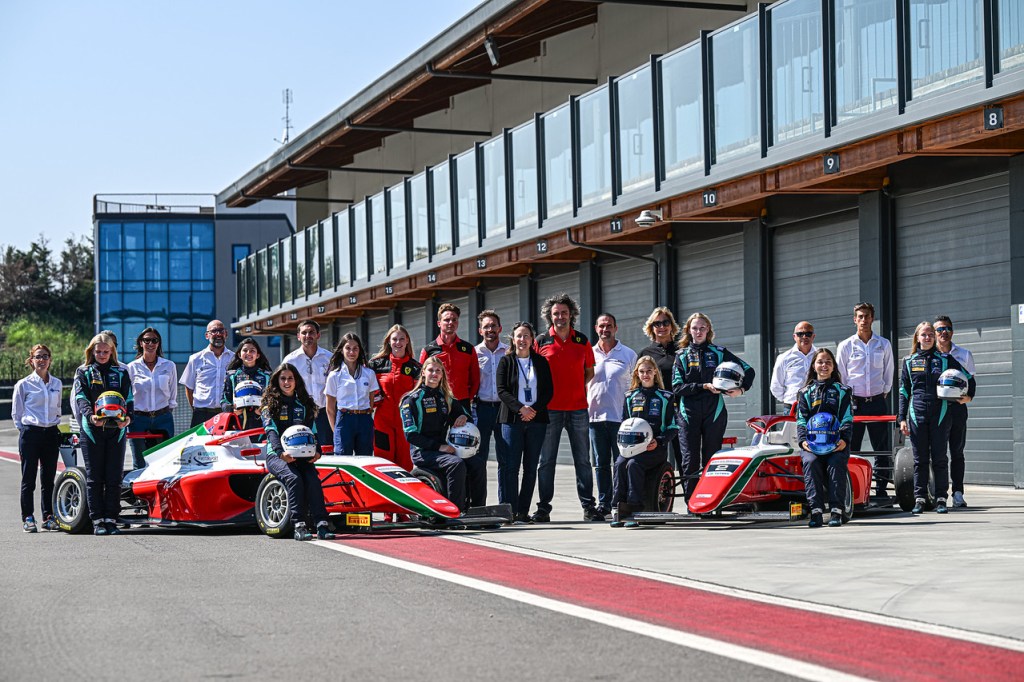
AL: I’ve learned so much about myself, my driving style, and my driving techniques. From only having my mom and dad help see my mistakes to having a whole team around me was crazy. Everybody had an input and everybody was so strong in their work. They were also very dedicated to helping me. I’ve also learned a lot around the mental work, for example how to comprehend mistakes and how to move on. I have learned a lot on track, on how to generally get really fast in a car that you don’t know. I got to know the girls. They were really nice, and it was awesome meeting them. We were best friends for two days.
PS: How do you balance your racing (including your training) and your school work?
AL: Since I go to public school, I don’t have so many hours to do motorsports. But even since I was in the 7th grade, the school and teachers have been really helpful. They’ve been giving me time-off when I needed it for a race far away or like the training camp in Italy. My teachers have been really supportive. If I have training after school, I still have to go to the school for the day. After school, I would go home to eat and then go straight to the race track and then came back later to do my homework. It’s difficult trying to balance the two things, but so far it’s working well for me because my teachers are very helpful.
PS: It doesn’t seem like you are fixated on signle-seater, what’s your plan for next year? What is your mid- to long-term plan in terms of racing?
AL: The plan we have right now for next year is to continue driving the Crosskart Extreme. This year, I’ve only raced in Norway. Maybe for next year, our plan is to drive more races in other countries in the Scandinavia and Nordic region. Hopefully I can be in a championship that’s driving in the whole Nordic. For the long term, my dream is to drive rallycross. Hopefully when I’m 16, I will get a rallycross car.
PS: What do you think you need to work on to get to rallycross?
AL: I think I generally have to be even better in asphalt and gravel. My driving has to always keep up. I think it’s quite hard in rallycross. The turns in every track is very different. You have to stay sharp all the time because sometimes it’s harder for me. I think it’s harder to drive on gravel than on asphalt, because the breaking point can be so different for every lap. I have to strengthen my basic driving skills, and I also have to get even better at short races. In rallycross, you only have four laps for qualifying. I have to be very smart and consistent for a short period of time, which is very important in rallycross.
Vanesa Šilkūnaitė
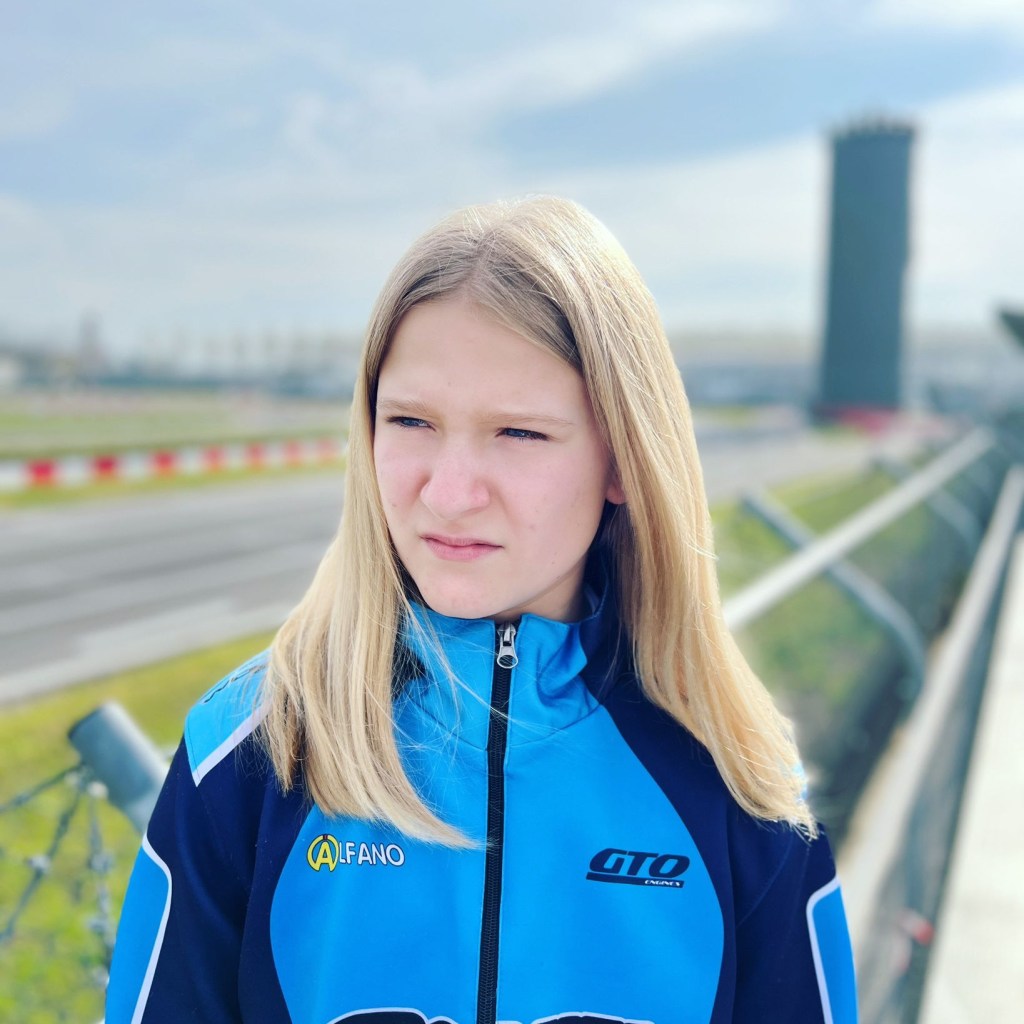
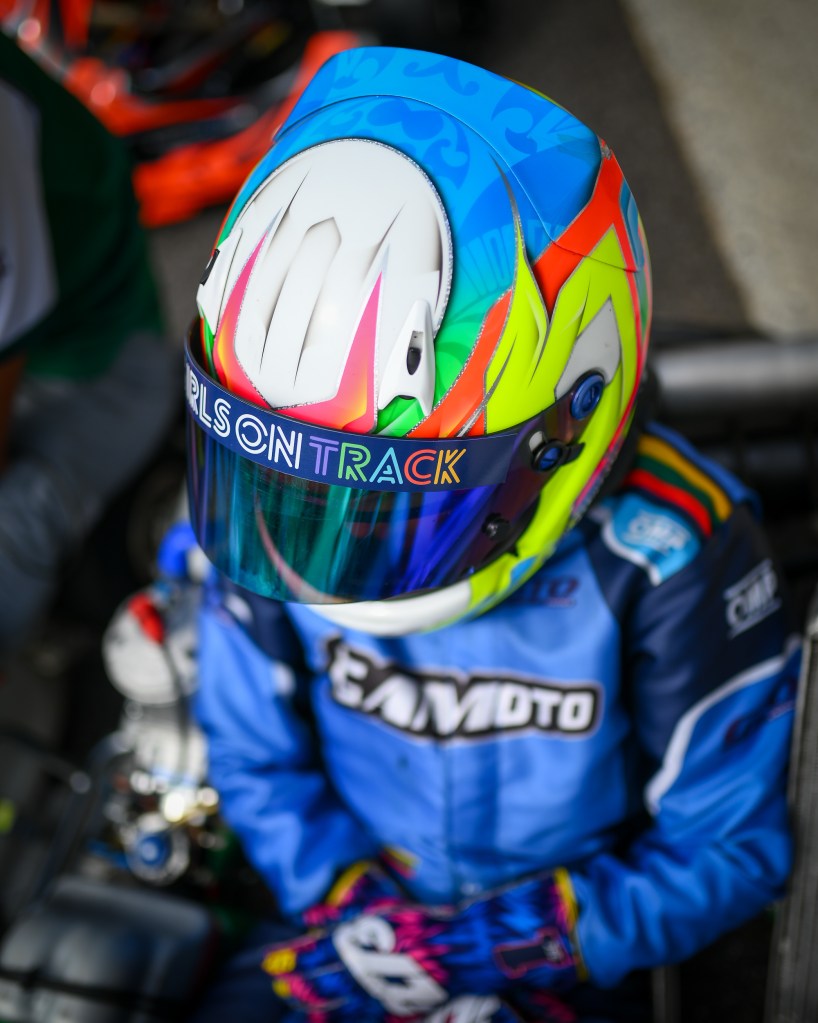
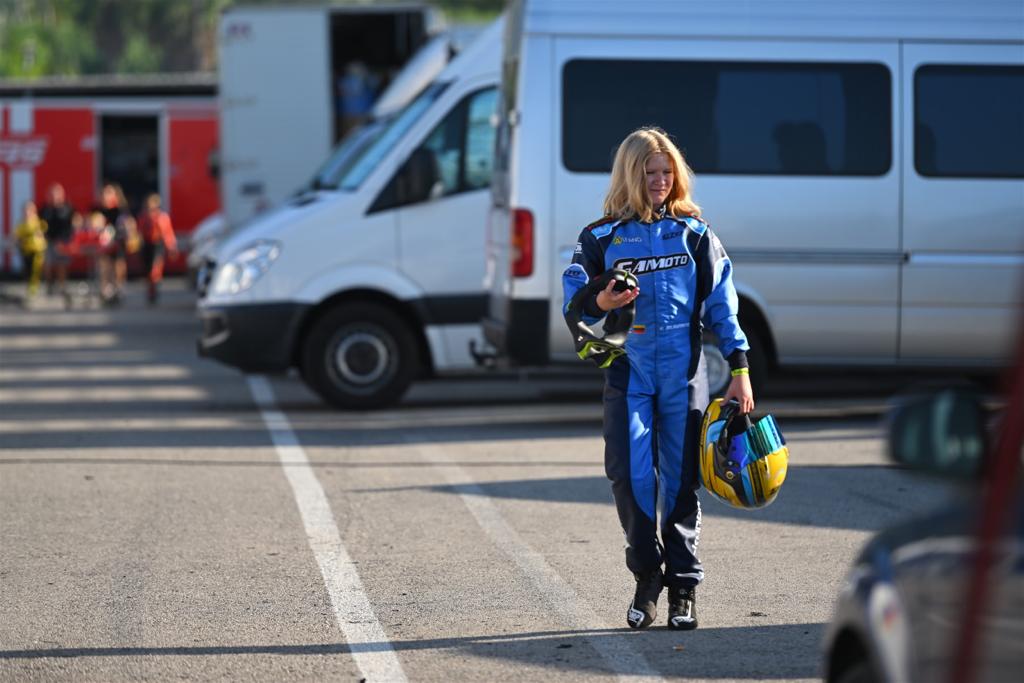
Vanesa Šilkūnaitė is 12 years old from Lithuania. She is one of the four Junior Category finalists in the 2022 FIA Girls on Track – Rising Stars program. Vanesa started karting in 2019 and now races in the OKJ category. Vanesa is the national champion of her class in 2019, 2021, and 2022.
© All photos provided by Vanesa Šilkūnaitė
Paddock Sorority (PS): What was your first exposure to motorsport? How did you actually get started with karting?
Vanesa Šilkūnaitė (VS): I have a brother two years older than me and he started karting before me. I saw how he was driving, one time I tried and loved it
PS: What made you decide you wanted to become a professional driver?
VS: When I tried it, I loved it from the start, and when I started racing, I just knew I wanted to be professional.
PS: From whom did you learn the most about racing and driving?
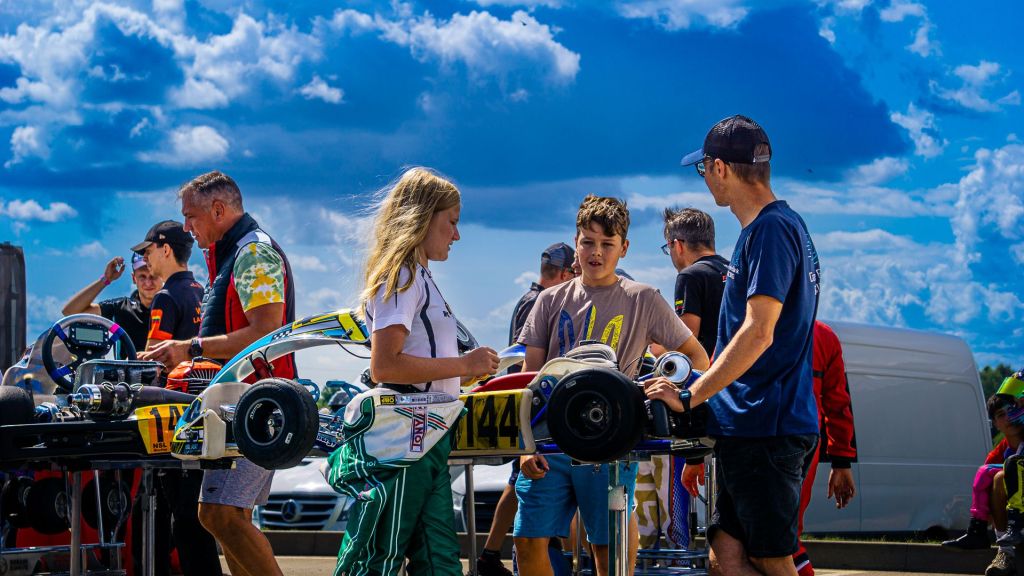
VS: From my brother because he was all the time like a coach to me.
PS: Is there a racing idol for you?
VS: I have three – Landon Norris, Saintz and Leclerc.
PS: How are your family supporting your racing career?
VS: My mother and father support me and my brother very much. They travel with us to international races all the time. For the local races, they also put in a lot of effort so we can have time to race as much as we do now.
PS: What has been your best memory in your career so far?
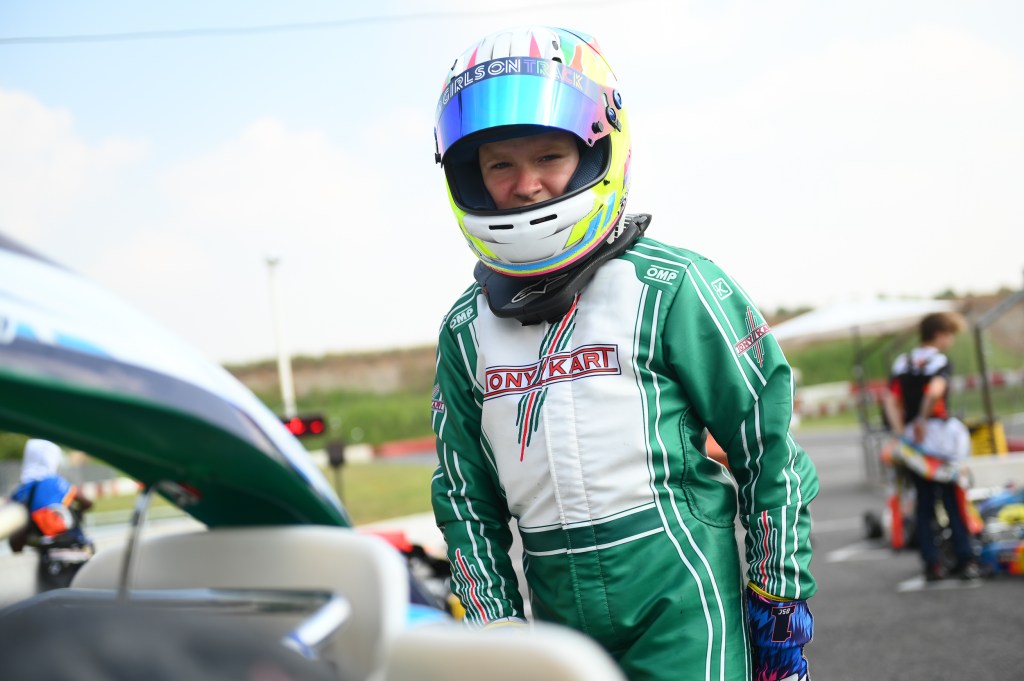
VS: Probably it was my first podium in the Micro60 class about two years ago. I was also very excited because I became the champion of Lithuania for that class after that. So it’s probably this one.
PS: Has there been a very difficult time in your career? How did you get through it?
VS: Probably when I switch from Mini60 to OK Junior. It was very demanding physically. I just had to work harder in the gym practice and get stronger.
PS: What are your strengths and weaknesses as a driver?
VS: It’s still very hard for me to overtake with this big chassis, but I’m learning every race. I am getting better and better about it. My strong part is that when I identify the problem, I would be working very hard to get it solved.
PS: How have you been preparing for the training camp and the final? What’s your training schedule like?
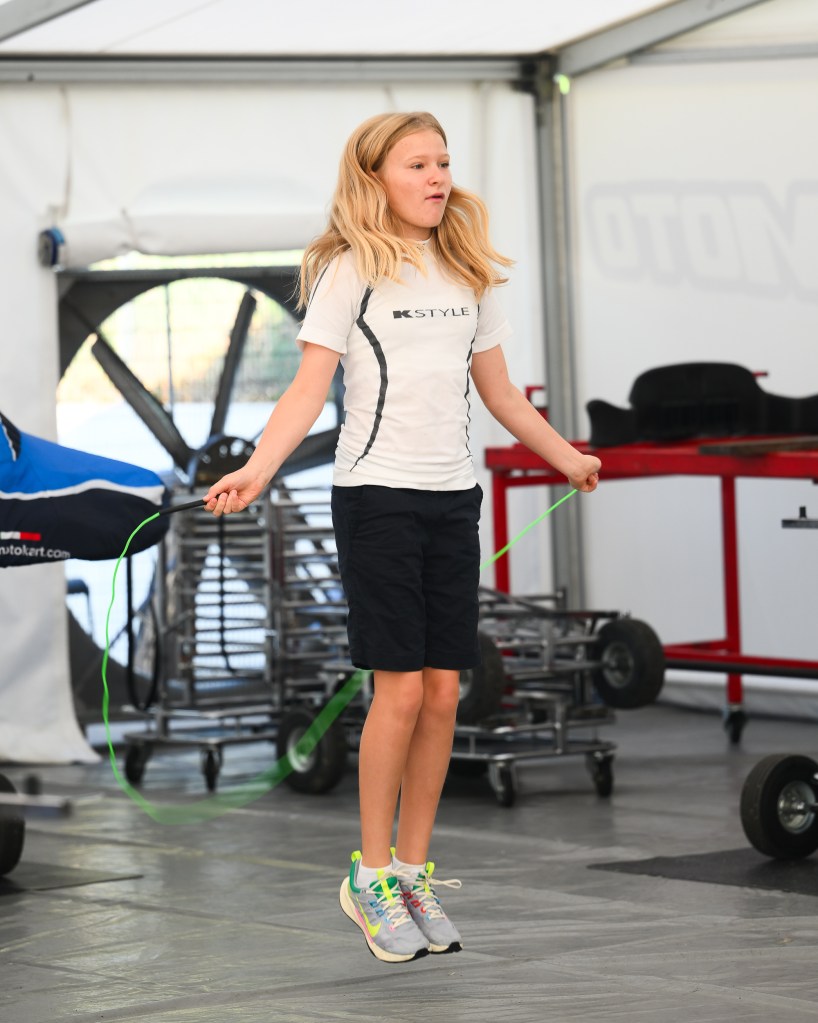
VS: For the last two years, I’ve been going to the gym twice a week with a personal trainer. After the training camp, I identified that I need to work harder on my body and now I go to the gym every day except for the weekend. I’m working on my muscles as well as on the mental side.
PS: What are your takeaways from the training camp?
VS: I am very happy that I’ve been selected the for the first training camp and even happier that I managed to get into the final. I’ll do my best to improve my skills and my body health whether I win or not. I already enjoyed it very much and I saw what I can do to become a better driver and better professional.
PS: How do you balance your racing (including your training) and your school work?
VS: It very hard. I am taking a lot of classes remotely. Our school is very supportive and they help us to take the exams according to our calendar. When we are back home from the racing, we have extra classes at home with the private teachers and doing a lot of homework and a lot of preparation individually.
PS: More in the long term, if you want to keep going up the ladder, what do you need to still work on?
VS: I need to work a lot on my body to get stronger. Then it will be easier for me to make fast decisions on the track. Also, I need to work mentally to become a professional driver. I have proved that we can compete with the boys and I have shown that girls can also be very very fast on the highest level.
 Paddock Sorority
Leave a comment